Discover essential insights for cancer patients in the UK, from diagnosis to treatment options and navigating the NHS.
Table of Contents
Guide for Cancer Patients in the UK
Unfortunately, you have been diagnosed with cancer, and we understand that the diagnosis can be overwhelming. However, having an understanding of the next steps to take, of the options available, and of the support services that can help you navigate cancer treatment will make you more confident.
Here, we provide a guide for all newly diagnosed cancer patients in the UK, from understanding your diagnosis to navigating treatment within the NHS, accessing financial and emotional support, and finally and hopefully navigating life post-treatment.

Understanding Your Cancer Diagnosis in the UK
The first and most important step is to develop good footing in understanding your condition. Having your questions answered by a professional will allow you to start making plans for the future and give you control.
Understanding Your Cancer Type and Stage
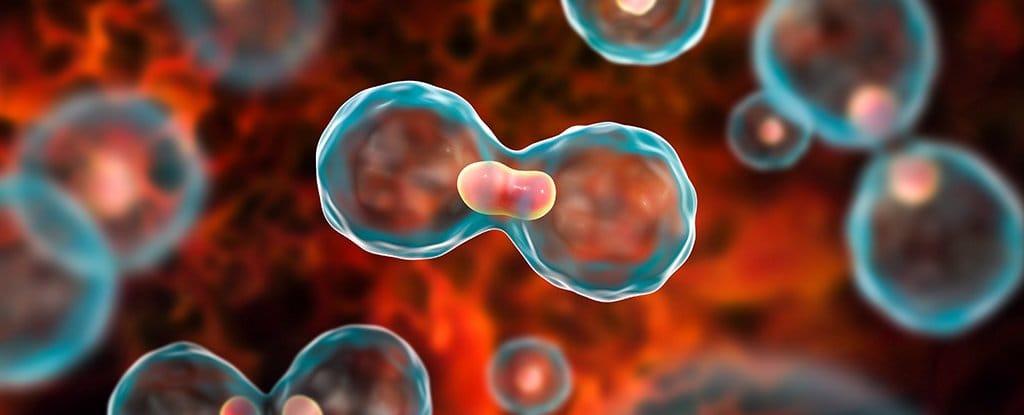
The cancer type refers to the part of your body where the cancer originates from, while the stage refers to how far along the cancer has advanced.
For the stage, you may hear terms such as contained (early stage) or spread (late stage), or your doctor may use the TNM system, which refers to tumors, nodes, and metastases, and stages of cancer from I-IV. It is important to make sure you ask your doctor about these two points.
First Steps After Your Diagnosis
It is advisable to prepare a set of questions that you may have before going to appointments.
When going to appointments, having a friend or family member along with you to provide support and to take down notes can help ensure that you get your answers. These questions are fundamental and should be asked:
- What type and stage of cancer do I have?
- What are my treatment options, and what are the risks and benefits of each?
- What are the possible side effects of treatment?
- How soon should treatment start?
Planning Your Cancer Treatment in the UK
Now that you have a solid understanding of your condition, it’s time to consider your treatment options.
Treatment options are dependent on a set of factors, including the type, stage, and location of cancer, as well as individual health factors. In the UK, the National Health Service (NHS) provides comprehensive cancer care.
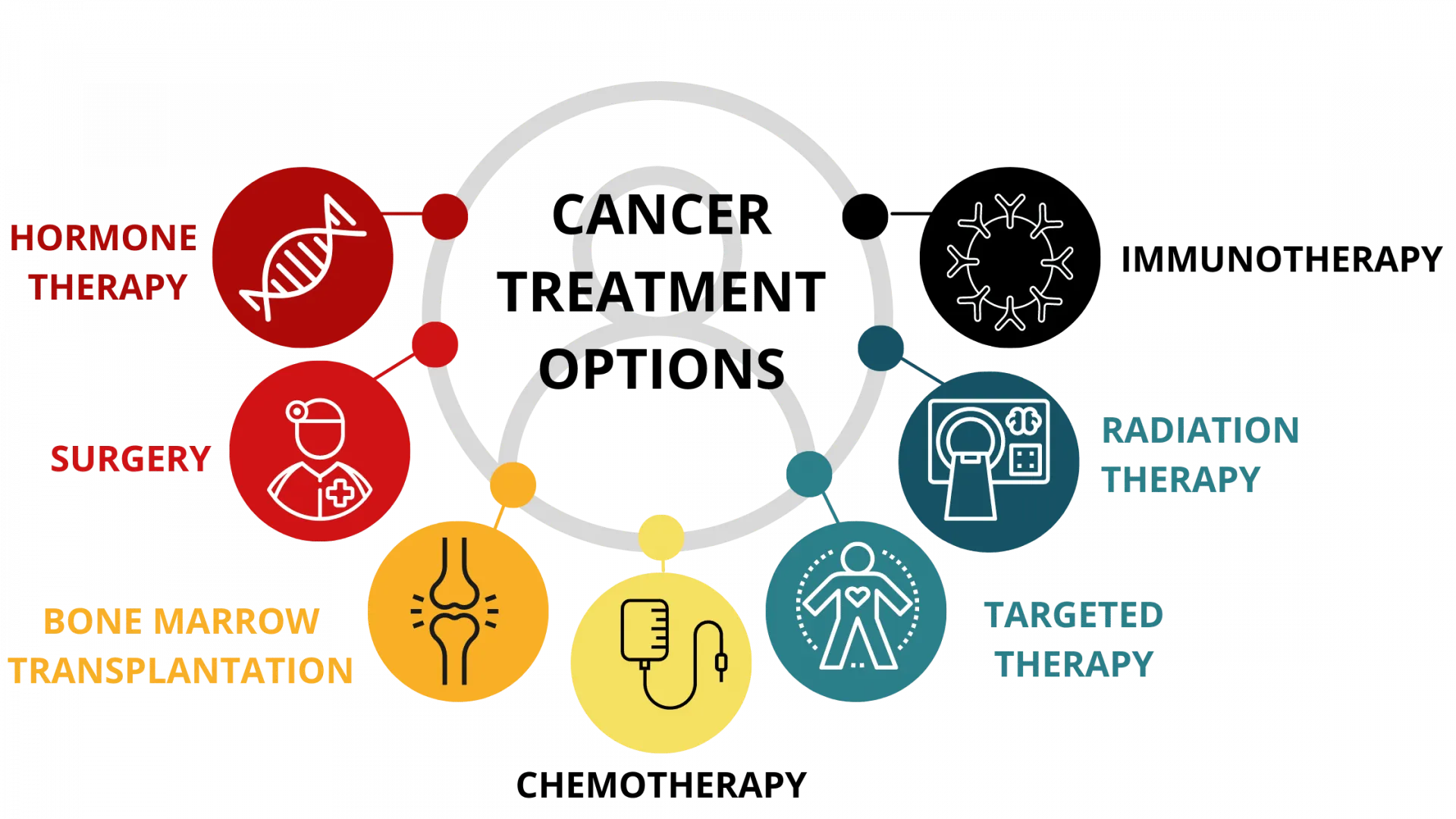
Treatment Options
- Surgery: which removes tumors or affected tissue.
- Chemotherapy: which uses drugs to kill cancer cells, often with some side effects.
- Radiation therapy targets cancer cells with high-energy rays.
- Immunotherapy and targeted therapies: It boosts the immune system or targets specific cancer cells.
- Hormone: Use hormones to stop or slow down the growth of cancer.
- Stem Cell Transplant: For patients with leukemia and lymphoma.
Multidisciplinary Team (MDT)
The NHS comprehensive cancer care provides a team of specialists made up of oncologists, nurses, radiologists, and dietitians who each take part in your treatment plan.
It is important to take a second opinion from another GP or oncologist. This ensures that the diagnosis and treatment plan chosen are the most effective for you.
Some treatments may not be available on the NHS; as such, further discussion with your doctor is advised to ensure that it is a necessary procedure that is right for you.
Navigating the NHS and Support Services
The NHS will provide most services needed; in fact, once your GP suspects the possibility of cancer, they will refer you to the NHS cancer service. Hence, understanding the NHS cancer pathway will help you maneuver it. Once referred and diagnosed, your MDT will monitor your plan to start a treatment within 62 days of referral.
These number of days are dependent on the nature of your condition.
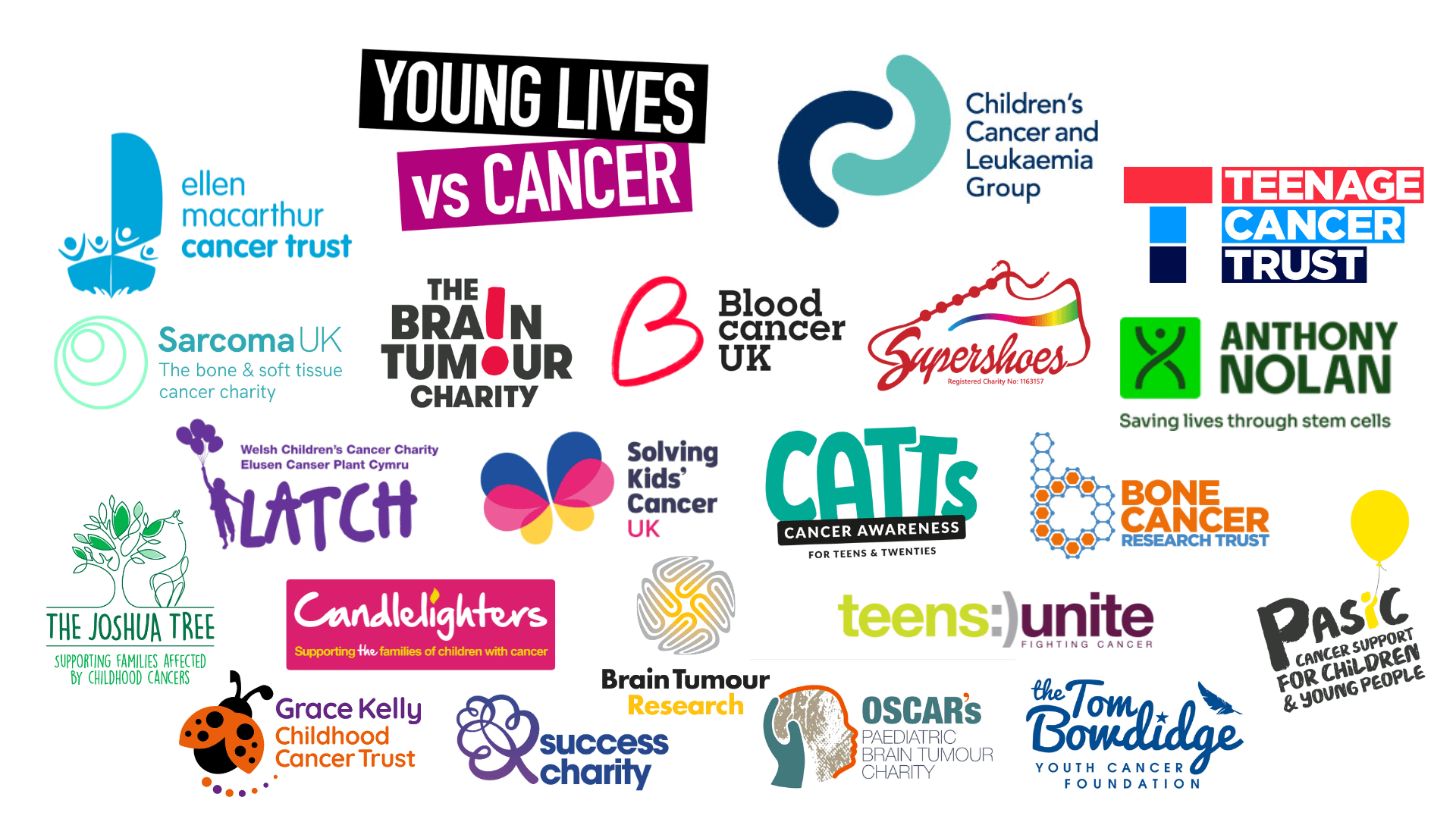
Additionally, it is important to take note of the support services that can provide resources and information. Organisations like Macmillan Cancer Support, Maggie’s Centres, and Cancer Research UK do have these services for cancer patients. They can provide support in terms of finance, information, support groups, and counselling.
Managing Practical Issues
Finances
A cancer diagnosis will not only have an effect on your health but will affect other aspects of your life, like your finances. Cancer patients in the UK may qualify for financial support services like Personal Independence Payment (PIP), Employment and Support Allowance (ESA), and Universal Credit.
These government services are available for cancer patients who meet the specific requirements stated. Macmillan and Citizens Advice can assist with benefit applications and financial advice, including grants for additional support.

Employment Rights and Support
Cancer patients under the Equality Act of 2010 are classified as disabled, and therefore employers of cancer patients are expected by law to make adjustments for their needs.
Adjustments may include modified assignments, time off for treatment, as well as increased flexibility in their schedule. In case the patient is unable to work, they may be eligible for the Statutory Sick Pay (SSP).
Family and Caregiver Support
A cancer diagnosis does not only affect the patient but also those around them that take care of them. As such, many charities like Macmillan have spaces where caregivers can gain information and support.
Taking Care of Your Physical and Emotional Well-being when living with Cancer
Your mental health will also be affected by a cancer diagnosis; hence, it is important to take measures to improve your physical health and mental health.
Once treatment begins, side effects from the treatment option may be felt. It is important to inform your doctors. Interventions in the form of medication or other therapies may be given to lower the strain caused.
Emotionally and mentally, a lot of strain and stress may build up, which can lead to anxiety and depression. To deal with this, engage in counselling sessions, join a support group, and use a mental health professional. These services can all be accessed via charities like Macmillan, Mind, and Cancer Support UK.
Finally, adjust your lifestyle to improve your health. Convert to a more nutritious diet, stay hydrated, and take up some form of exercise.
This will improve your energy levels and improve your well-being. Any changes made to the diet need to be discussed with your doctor to ensure they do not adversely affect you.

Life After Treatment
Thankfully, you have successfully been able to beat cancer. There are still a few things you need to do to ensure you retain your good health and live a long life.
Survivorship and Follow-up Care
Once treatment ends, follow-up sessions every few months are required to ensure that no recurrence occurs and to manage any remaining health issues.
These are still facilitated by the MDT. The periods between each session will increase if your prognosis remains positive.
Leave a Reply